What to Look for in a Web Design Agency
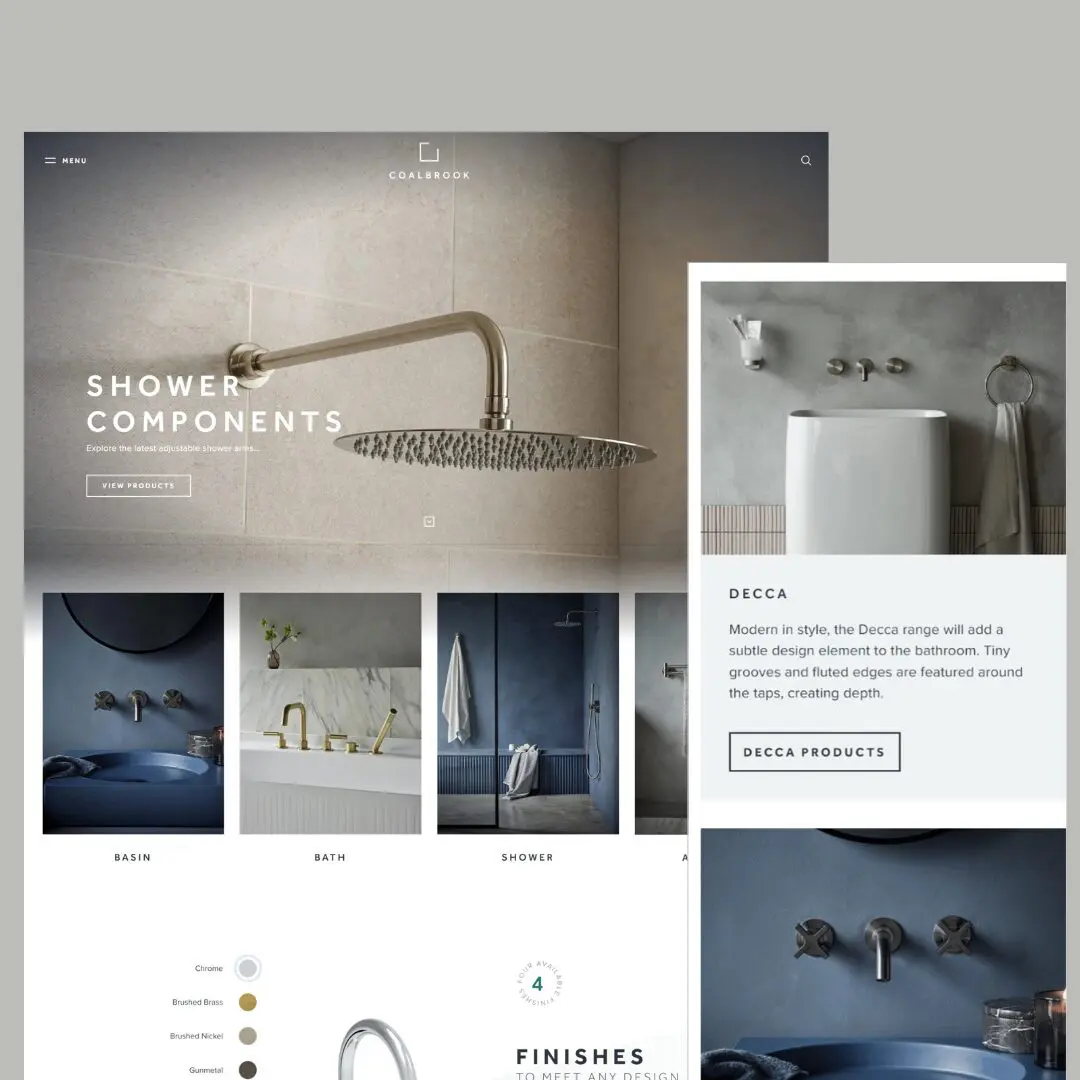
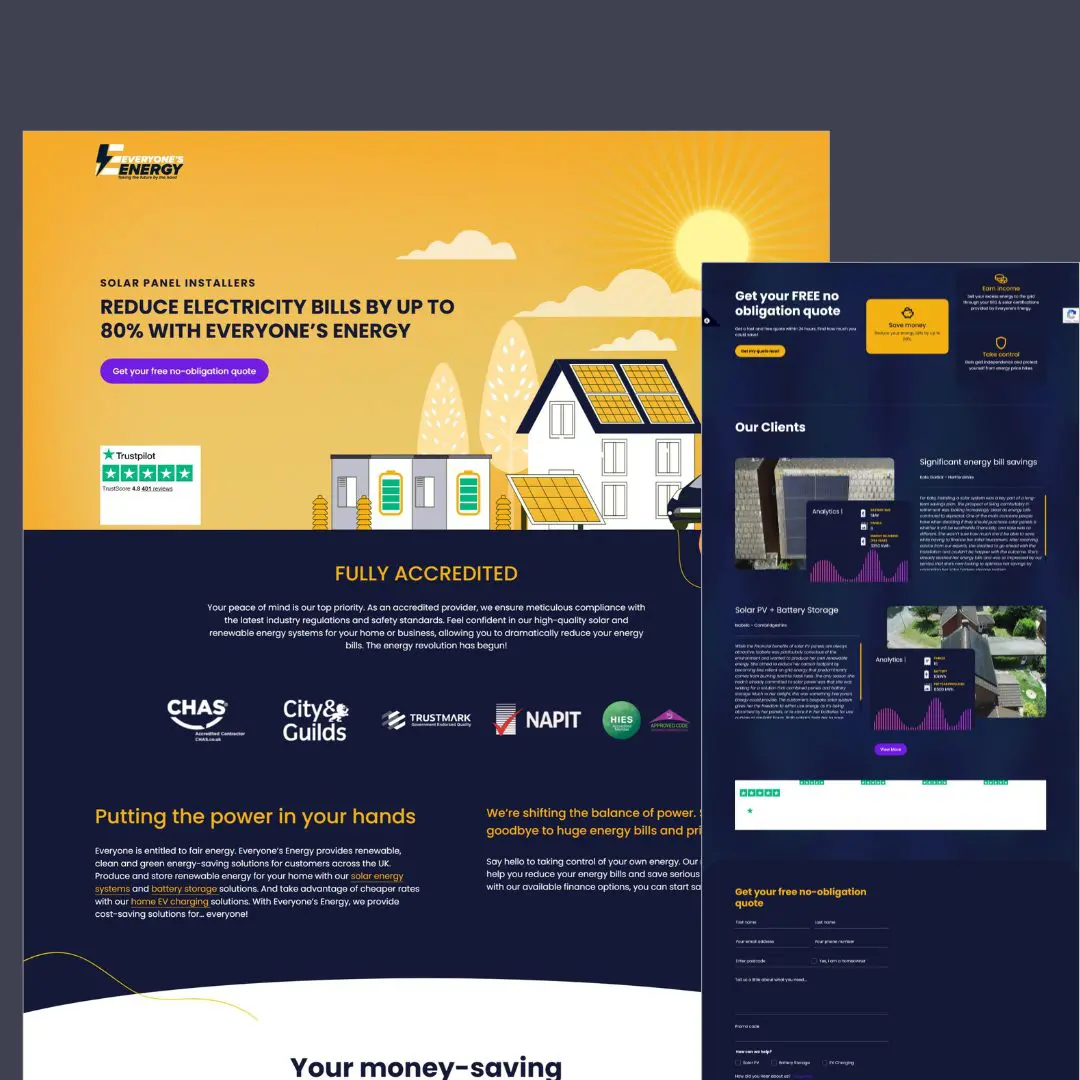
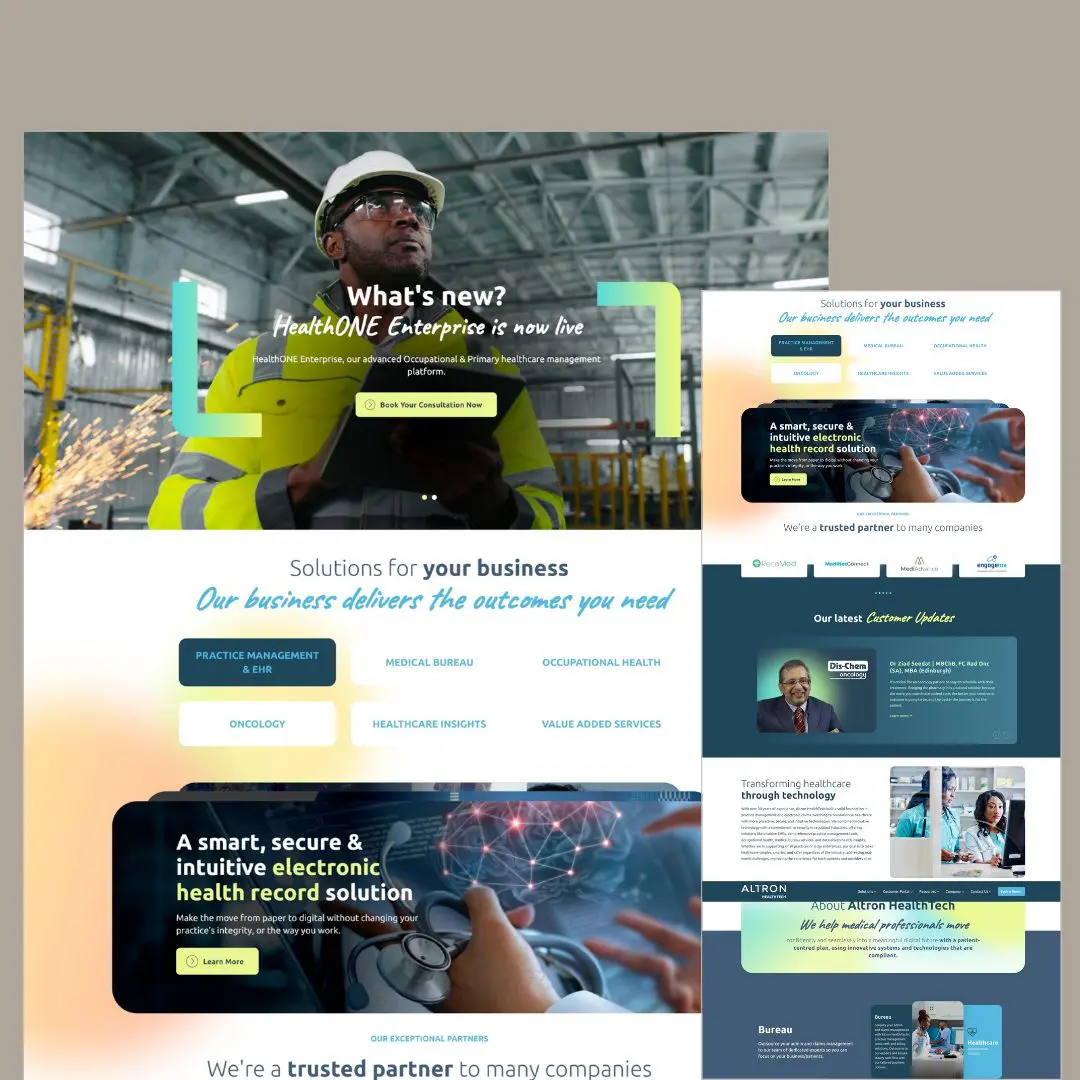
Portfolio Quality: Review the agency's portfolio to assess the quality and diversity of their previous work. Look for projects that align with your business needs and industry.
Client Testimonials: Seek feedback from past clients to gauge satisfaction levels. Positive testimonials can indicate the agency's reliability and effectiveness.
Technical Expertise: Ensure the agency is proficient in the latest web technologies and design trends. Familiarity with responsive design, SEO practices, and e-commerce solutions is essential.
Communication Skills: Evaluate the agency's communication style. Clear and prompt communication is crucial for project success and ongoing collaboration.
Project Management Process: Inquire about their project management approach. A well-defined process can lead to timely delivery and better project outcomes.
Customization Options: Confirm that the agency offers customizable solutions tailored to your specific business goals rather than cookie-cutter designs.
Post-Launch Support: Assess the level of post-launch support provided. Ongoing maintenance and updates are important for a website's longevity and performance.
Budget Transparency: Ensure the agency provides clear, upfront pricing. Transparency about costs helps avoid unexpected expenses during the project.
How to Assess a Web Design Agency's Portfolio
Evaluating a web design agency's portfolio is essential for determining their suitability for your project. Look for diversity in projects that demonstrate the agency's ability to adapt to various industries and styles. A well-rounded portfolio often includes websites for e-commerce, corporate, and creative sectors, showcasing versatility and creativity.
Another critical aspect is the quality of design and functionality. Review the aesthetics of each website, ensuring the designs are modern and visually appealing. Additionally, assess the user experience; check if the sites are easy to navigate and function seamlessly across devices. Pay attention to the technology stack used. Familiarity with the latest tools and frameworks can indicate the agency's commitment to staying current in web design trends.
Consider also the results achieved by the agency. Look for case studies that detail the impact of their designs on client businesses, such as increased traffic or conversion rates. Testimonials can provide insights into client satisfaction and the agency's ability to meet deadlines and budgets.
Lastly, ensure the portfolio aligns with your specific business needs. If your focus is on e-commerce, prioritize agencies that have successfully designed online stores. This alignment will help ensure that the agency can effectively translate your vision into a functional and attractive website.
What Questions to Ask During Initial Consultations
What is your experience with businesses in my industry? Understanding the agency's familiarity with your sector can reveal their ability to tailor solutions that meet specific industry needs.
Can you explain your design process? A clear outline of their design methodology will help you assess their approach to collaboration, timelines, and project management.
What metrics do you use to measure success? Knowing how the agency defines and tracks success will allow you to align your business goals with their performance indicators.
How do you handle client feedback and revisions? Insight into their feedback process can indicate how flexible and responsive the agency will be throughout the project.
What is the typical timeline for a project like mine? Understanding the expected duration for completion helps set realistic expectations and planning for your business.
Can you provide references or case studies? Requesting references or detailed case studies will enable you to evaluate their past work and client satisfaction levels.
What ongoing support do you offer after the project is completed? Knowing the level of post-launch support can influence your decision, especially if you anticipate needing assistance with updates or maintenance.
Comparing Pricing Models of Web Design Agencies
Web design agencies offer various pricing structures, including fixed pricing, hourly rates, and project-based fees. Understanding these models helps small businesses allocate their budgets effectively.
Fixed pricing involves a predetermined cost for the entire project. This model provides clarity and ensures that small businesses know the total expense upfront. It's beneficial for projects with well-defined scopes, minimizing unexpected costs.
Hourly rates charge clients based on the time spent on the project. This model can be advantageous for projects requiring flexibility or ongoing updates. However, it may lead to budget inconsistencies if the scope expands or the timeline extends.
Project-based fees combine elements of fixed pricing and hourly rates, charging a flat fee for specific deliverables. This model allows for some flexibility while still providing a clear budget outline, making it suitable for businesses with fluctuating needs.
| Pricing Model | Advantages | Considerations |
|---|---|---|
| Fixed Pricing | Clarity on costs, no surprise fees | Less flexibility for changes |
| Hourly Rates | Flexibility in project scope | Potential for budget overruns |
| Project-Based Fees | Defined deliverables, manageable budget | Scope changes may require renegotiation |
Evaluating Communication and Support
Effective communication is essential throughout the web design process. Regular updates and clear channels for feedback ensure that the project stays aligned with your vision. Agencies that prioritize communication often establish structured check-ins, which allow for timely adjustments and prevent misunderstandings.
Support extends beyond the initial design phase. A reliable web design agency should provide ongoing assistance, including troubleshooting, maintenance, and updates. This support is crucial for adapting to changes in technology or user needs. Agencies that offer comprehensive support often include training sessions for your team, ensuring they can manage the site effectively.
How to Verify Agency Credentials and Reviews
Research Online Reviews: Check platforms like Google, Yelp, and Clutch for client feedback. Look for agencies with consistent positive ratings and detailed testimonials highlighting their strengths.
Examine Industry Certifications: Identify certifications from reputable organizations such as the International Association of Web Professionals (IAWP) or Adobe. These affirm the agency's commitment to industry standards and best practices.
Check for Case Studies: Review case studies published on the agency's website. Authentic case studies demonstrate successful project outcomes and provide insights into their process and expertise.
Seek Third-Party Endorsements: Look for endorsements from industry leaders or recognition in awards. These accolades can validate the agency's reputation and reliability in delivering quality services.
Engage in Social Media Research: Analyze the agency's social media presence. Active engagement with clients and industry discussions can indicate a reputable agency that values communication and community.
Expert Insights on Choosing the Right Agency
Small businesses should prioritize agencies that demonstrate a clear understanding of their unique needs. Look for partners who offer customized solutions rather than one-size-fits-all templates.
Elena Martinez, Digital Marketing Specialist
Effective communication is essential. Choose an agency that actively listens to your goals and translates them into actionable web design strategies. This collaboration fosters better results.
James T. Lawrence, Web Development Consultant
Common Pitfalls to Avoid When Hiring a Web Design Agency
1. Not Defining Clear Objectives
Establishing specific goals before engaging with a web design agency is crucial. Clear objectives help ensure that both the business and the agency are aligned on the desired outcomes. Without defined goals, projects may veer off course, leading to wasted resources and unsatisfactory results. Consider what you want to achieve—whether it's increasing sales, improving brand visibility, or enhancing user engagement. Communicating these objectives effectively sets a strong foundation for the collaboration.
2. Overlooking Post-Launch Support
Many small businesses neglect the importance of ongoing maintenance and support after the website goes live. Post-launch support is essential for addressing technical issues, implementing updates, and adapting the site based on user feedback. Agencies often offer support packages that can help businesses maintain their websites efficiently. Understanding these options before finalizing contracts can save significant time and frustration later.
3. Ignoring the User Experience
A user-centered design approach is vital in web development. Prioritizing user experience ensures that the website is intuitive and accessible for visitors. Ignoring user experience can lead to high bounce rates and low conversion rates. Involve potential users in the design process through testing and feedback sessions. This engagement helps identify pain points and enhances overall satisfaction, ultimately contributing to the website's success.
Are you looking for professional services? Find more details here:
website design cape town
Business Name: Gridweb
Address: 200 Uys Krige Dr, Plattekloof 2, Cape Town, 7530
Email: info@gridweb.co.za
Phone: 021 300 1841
Hours:
Monday: 08:00–17:00PM
Tuesday: 08:00–17:00PM
Wednesday: 08:00–17:00PM
Thursday: 08:00–17:00PM
Friday: 08:00–17:00PM
Gridweb is Cape Town's leading web design and development agency, creating custom website design and SEO rankings. With more than 15+ years of experience, we work with clients of all sizes across a broad range of sectors.
As specialists in ecommerce website design Cape Town, we understand the intricacies of building platforms that convert visitors into customers. Our websites are not only beautiful but also optimized for speed, functionality, and user experience. If you're looking for reliable website design in Cape Town, our team is ready to help you establish a powerful digital footprint.
Portfolio: