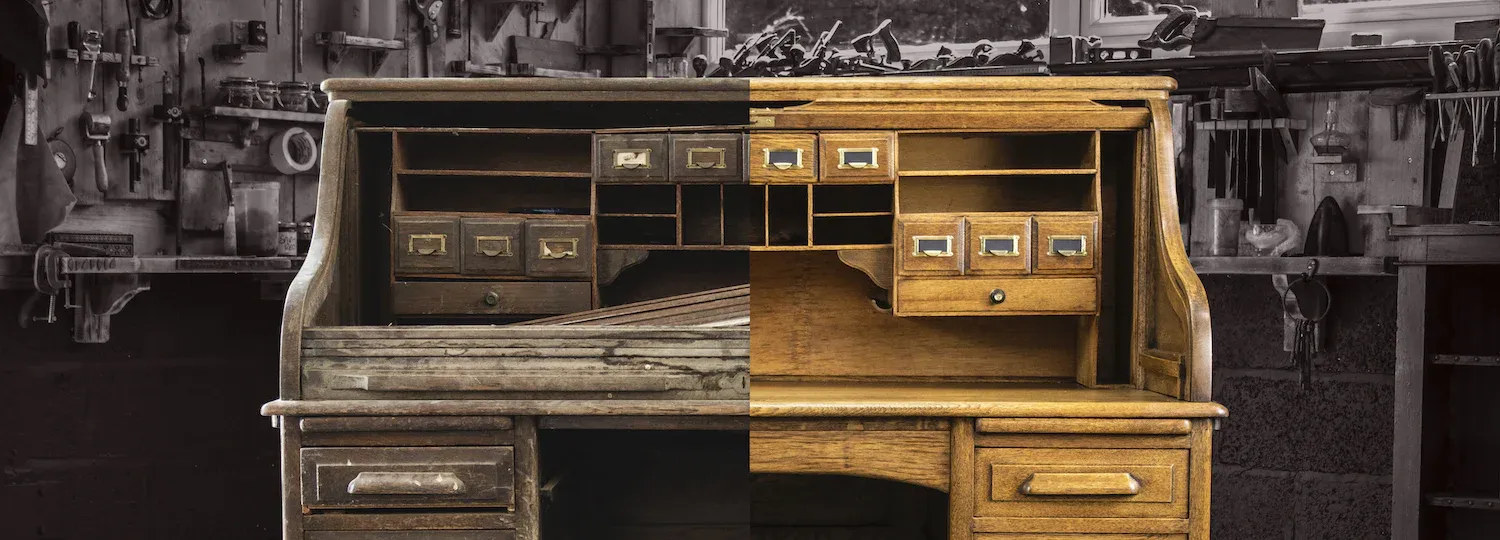
Understanding Antique Furniture
Antique furniture holds a unique place in history, often serving as a window into past lifestyles and cultures. Each piece tells its own story, reflecting the craftsmanship and design trends of the time. This historical significance makes them not just decorative items but also valuable collectibles. From family heirlooms to museum pieces, their essence goes beyond mere functionality. As we delve deeper into these treasures, it becomes clear that preserving their story is essential.
Identifying the authenticity and age of antique furniture is crucial for any restoration or refinishing project. Many factors help determine this, including design features, construction methods, and materials used. Knowing these details not only aids in accurate valuation but also informs the restoration process itself. Additionally, some pieces might show signs of aging that enhance their appeal. Understanding these elements allows collectors and restorers to make informed decisions about the best ways to care for their antiques.
Antique furniture comes in various types, made from diverse materials. For instance, you might encounter solid wood, veneers, or even metals in some cases. Each material requires a different approach when it comes to restoration or refinishing. Moreover, styles can range from Victorian to Art Deco, which brings its own set of challenges and techniques for care. Familiarity with different types of antiques helps ensure they receive the attention they deserve.
Restoration of Antique Furniture
Restoration refers to the process of returning a piece of furniture to its original state as closely as possible. It is more than just a cosmetic fix; it involves an understanding of the piece’s history and its original design and materials. Restoration can enhance the value of the furniture while preserving its authenticity. This process requires skilled craftsmanship and a keen eye for detail, as every alteration must feel true to the piece's roots.
The techniques and methods used in restoration are extensive. First, cleaning and stabilization are essential steps that help protect the furniture from further deterioration. This might include gentle surface cleaning and applying appropriate treatments to prevent damage. Following this, addressing structural damages is crucial. Broken legs, detached arms, or loose joints need careful repair, as these issues affect how well the item functions. Finally, sourcing materials that match the original composition enhances authenticity and integrity during the restoration process.
Matching the original materials and designs not only uplifts the item’s value but also respects its heritage. This task can involve extensive research and sourcing, ensuring that new components integrate seamlessly with the original. Restorers often lean on traditional methods, making it vital to understand the historic context of the furniture. Adhering to these standards maintains the piece’s charm and character, allowing future generations to appreciate its historical significance.
Refinishing Antique Furniture
Refinishing, on the other hand, is a process aimed at refreshing the appearance of the furniture without necessarily preserving its original identity. This includes applying new finishes or stains, often to revitalizing aged and worn surfaces. The goal of refinishing is primarily aesthetic rather than focused on restoration, making it ideal for pieces that may have suffered cosmetic damage. Through refinishing, owners can restore the furniture's beauty and utility without an extensive commitment.
The benefits of refinishing are numerous. For one, it can enhance the appeal of a piece and make it more functional, especially if it has been neglected for years. This approach may also increase its market value, depending on quality and execution. Additionally, refinishing offers flexibility in terms of design choices, allowing for customization to fit modern decor. It's worth considering that not every antique furniture piece requires a full restoration, and sometimes a simple refinish can breathe new life into it.
When refinishing, common techniques involve stripping old finishes to reveal the wood underneath. This can be done using chemicals or mechanical methods, depending on the piece's condition. After removing the old finish, the next steps typically include sanding, staining, and varnishing. These processes help achieve a smooth and polished look while allowing the wood’s natural beauty to shine through. Modern finishing materials often provide durable and water-resistant surfaces, making future upkeep simpler and more manageable.
Evaluating Condition and Needs
Evaluating the condition of antique furniture is a critical step before deciding whether to restore or refinish. A thorough assessment of damage and wear can help identify the best course of action. Surface scratches, water stains, and deep gouges can dictate different approaches. Scrutinizing the structure is equally important; loose legs or weak joints may necessitate restoration rather than a simple refinishing. Regular check-ups can maintain and prolong the life of your antique pieces.
Making a decision between restoration and refinishing involves careful consideration of a variety of factors. The historical value of the piece plays a significant role; for instance, highly valued antiques might necessitate restoration to retain their worth. On the flip side, if the furniture is not of significant historical importance, refinishing might be a better choice. An expert evaluation can shed light on this dilemma, guiding you toward a thoughtful decision that honors the furniture's legacy.
Engaging an expert for an evaluation and appraisal of your antique furniture can provide valuable insights. Professionals can identify issues that may not be immediately apparent to the untrained eye. They can suggest the most appropriate techniques for treatment, considering the furniture’s age and materials. Their expertise can save you both time and money while ensuring the preservation of your antique.
Ethical Considerations
When restoring or refinishing antique furniture, ethical considerations are paramount. The impact on historical value must always be weighed against any desired aesthetic changes. Overzealous refinishing practices can erase features that contribute to the piece’s uniqueness and story. Understanding the balance between personal taste and preservation of history is crucial for responsible care. This awareness fosters the right approach to maintaining the integrity of the piece.
Balancing aesthetics and authenticity requires a thoughtful approach. It’s essential to ask: Does the change enhance the beauty while retaining the original character? This balancing act is not always straightforward, requiring skill and knowledge about historical context. Legal and ethical responsibilities often come into play, particularly if the piece is a family heirloom or intended for resale. Owners must proceed with care to ensure they are not just creating a pleasing piece but also respecting its history.
On a larger scale, considering the environmental impact of restoration and refinishing practices is vital. The choice of materials and methods used can impact sustainability. Opting for environmentally-friendly products when possible adds an additional layer of ethics to the process. This conscientious approach helps to preserve not only the furniture but also the planet for future generations.
Tools and Materials for Restoration vs Refinishing
The tools and materials used for restoration and refinishing vary significantly. Essential tools for restoration often include precision tools for minor repairs, specialized adhesive for structural work, and various cleaning materials. Conversely, refinishing typically requires a different set of tools like scrapers, sanders, and brushes. Mastering the use of these tools is essential for anyone looking to embark on either project. Choosing the right tools can significantly enhance the quality of the final result.
Material considerations between original and modern products are another important topic. For restoration, original materials are preferred to keep the piece as close to its authentic state as possible. However, in refinishing, modern materials can provide added durability and ease of use. Using materials that enhance the appearance while respecting the underlying structure is key. It’s essential to select products that will not introduce new problems while still achieving a refreshing look.
Safety precautions and best practices must always be a priority. Protective gear, such as masks and gloves, prevent exposure to harmful substances often found in cleaning agents or finishes. Proper ventilation is essential during the application processes to minimize inhalation of fumes. Following best practices ensures a smooth workflow and safeguards personal well-being during restoration or refinishing endeavors.
Cost Implications
Budgeting for restoration versus refinishing often involves a wide range of costs. Restoration tends to be more expensive due to its comprehensive nature and the skill required. Refurnishing is generally seen as a more budget-friendly option, often delivering good aesthetics at lower costs. However, hidden costs in both processes can complicate budgeting; unexpected repairs or finding original materials can escalate expenses. Understanding factors influencing costs can guide owners in making informed decisions about their antique furniture.
There are multiple factors affecting the overall cost of both restoration and refinishing. Labor costs can vary significantly, depending on the complexity of the work and the expertise of the professional engaged. Additionally, the condition and type of material will affect pricing. Unique pieces requiring specialized care often known will incur higher expenses, whereas more common pieces may be more straightforward and affordable. Keeping research up to date regarding both restoration and refinishing practices helps you anticipate potential costs better.
Evaluating long-term investments against quick fixes further complicates this decision. Restoration can yield greater long-term value, maintaining not just the piece’s aesthetics but also its historical significance. In contrast, refinishing may offer a short-term refresh at a lower upfront cost, which can be appealing. However, weighing these options requires careful consideration of the furniture's importance and the owner’s intentions for its future. Each choice carries its own set of risks and rewards.
Case Scenarios: When to Choose Restoration or Refinishing
Determining when to choose restoration is sometimes straightforward. If a piece of furniture has considerable historical value, such as being a rare antique or a significant family heirloom, restoration is generally the path to choose. Restoration is suitable if the piece is structurally sound yet shows signs of superficial damage. These cases require a thoughtful, respectful approach in preserving the item's integrity and ensuring it can be enjoyed for many more years.
On the other hand, scenarios favoring refinishing typically include pieces that are not particularly rare or valuable. If a piece is mainly used for everyday purposes and shows signs of wear, refinishing might rejuvenate its appearance without the complexities of a full restoration. Alternatively, furniture that has had its aesthetics compromised by damage but lacks significant historical value can benefit from refinishing. Understanding the intended use and value of the piece helps inform this crucial decision.
Lastly, hybrid approaches offer flexibility by integrating both restoration and refinishing techniques as needed. In some cases, conserving structural integrity while refreshing aesthetics can yield the best results. For instance, repairing a piece while applying modern finishes can balance both historical respect and contemporary preference. Adapting to the unique qualities of each piece enhances its value while ensuring it remains relevant in today’s environment.
Conclusion: Preserving the Soul of Antique Furniture
Long-term care and maintenance of antique furniture are essential for ensuring its longevity. Regular cleanings, gentle handling, and protective measures can enhance durability while preserving charm. Owners should develop a routine care schedule tailored to individual pieces, considering their unique requirements. This consistent attention will not only protect the furniture but deepen the appreciation of its rich history.
Future-proofing antique furniture involves understanding environmental factors that may affect its condition. Humidity and temperature can have significant impacts on wood and finishes. Keeping antiques in stable, controlled environments helps mitigate risks, ensuring they are less susceptible to warping or cracking. In addition, using protective covers when storing or displaying pieces can prevent dust and damage, allowing owners to preserve their beautiful antiques for future generations.
In conclusion, the care and preservation of antique furniture require a delicate balance between restoration and refinishing. Each piece deserves attention and consideration, ensuring its history and beauty can shine for years to come. As we engage with these cherished items, we do our part in keeping their legacy alive while enjoying the art and craftsmanship they represent.
Are you looking for professional services? Find more details here:
chew marks furniture repair service